1. Wealth Accumulation Property Appreciation: Long-Term Growth: Real estate properties generally appreciate over time. As property values increase, so does your equity, leading to potential long-term wealth accumulation. Capital Gains: Selling a property at a higher price than your purchase price can result in significant capital gains, enhancing your financial position. Rental Income: Steady Cash Flow: Rental properties provide a consistent income stream through lease payments. This steady cash flow can be reinvested or used to support your lifestyle. Income Diversification: Rental income diversifies your revenue sources, reducing reliance on a single income stream. 2. Financial Stability and Security Asset Diversification: Reduced Risk: Real estate provides a tangible asset class that is less correlated with stock markets. Diversifying into real estate can mitigate risks associated with market volatility. Stable Returns: Real estate investments often offer stable returns, which can help balance out the risks of more volatile investments. Leverage and Financing: Affordability: Using mortgage financing allows you to leverage your investment, potentially increasing returns without needing to invest the full purchase amount upfront. Equity Building: As you pay down the mortgage, you build equity in the property, which can be accessed or used for future investments. 3. Income Growth Opportunities Value-Add Strategies: Property Improvements: Renovations, upgrades, and value-add strategies can increase property value and rental income. Effective property management and enhancements can significantly boost profitability. Market Positioning: Enhancing the property can help you charge higher rents or sell for a higher price, contributing to income growth. Rental Yield: Increasing Rents: In growing markets or desirable locations, you can increase rental rates over time, improving your income from the property. Multiple Units: Investing in multi-family properties allows you to generate income from several units, increasing overall rental yield. 4. Tax Benefits Deductions: Mortgage Interest: You can often deduct mortgage interest on investment properties, reducing taxable income. Depreciation: Depreciation allows you to deduct the cost of wear and tear on the property over time, providing additional tax benefits. Expenses: Property-related expenses such as maintenance, management fees, and property taxes are often deductible, enhancing profitability. Wealth Preservation: Tax Deferral: Strategies like 1031 exchanges in the U.S. allow you to defer paying taxes on capital gains by reinvesting in similar properties, preserving wealth for future growth. 5. Passive Income and Financial Independence Passive Cash Flow: Reduced Active Involvement: With professional property management, real estate can generate passive income with minimal day-to-day involvement. Financial Independence: Consistent rental income can contribute to financial independence, allowing you to focus on other ventures or retire earlier. 6. Leveraging Real Estate for Personal Growth Skill Development: Management Skills: Investing in real estate helps develop skills in property management, negotiations, and financial analysis. Networking: Engaging with real estate professionals, investors, and tenants can expand your professional network and open new opportunities. Entrepreneurial Opportunities: Business Ventures: Real estate investing can lead to entrepreneurial ventures, such as property development, real estate brokerage, or property management businesses. Creative Strategies: Creative financing, property renovations, and innovative investment strategies can foster entrepreneurial skills and drive growth. 7. Legacy and Long-Term Impact Generational Wealth: Estate Planning: Real estate can be a valuable asset for estate planning, allowing you to build and transfer wealth to future generations. Long-Term Stability: Properties often provide long-term stability and value, contributing to family wealth and security. Community Impact: Local Development: Investing in real estate can contribute to community development and improvement, enhancing local property values and economic growth. 8. Personal Fulfillment Homeownership: Personal Satisfaction: Owning real estate provides a sense of accomplishment and stability. It can also be a source of personal pride and fulfillment. Legacy Building: Property Ownership: Owning and managing property can create a lasting legacy, contributing to personal and family wealth over generations.
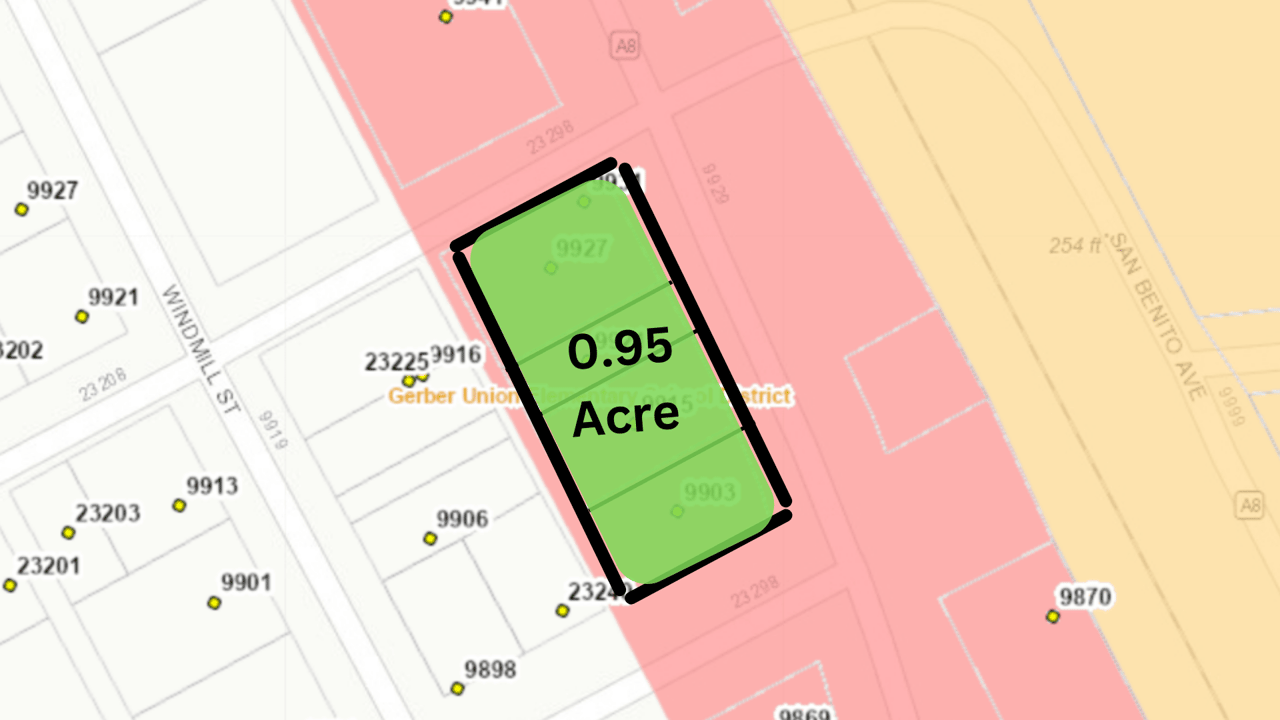
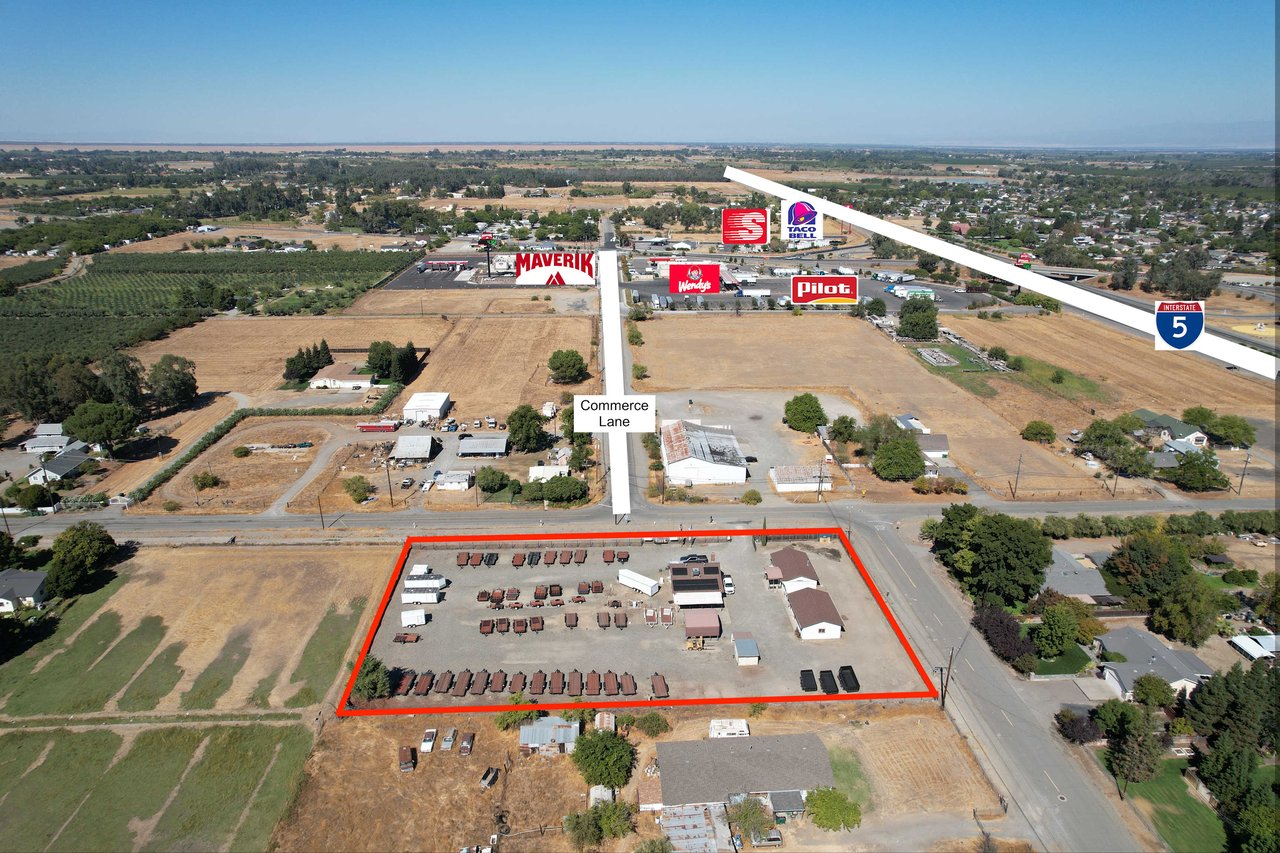
PRICE: $495,000
ZONED: Commercial C1
LOT SIZE: 0.95 Acres​
APNs: 037-173-003, 037-173-004, 037-173-015, 037-173-016
Hi, Here is the information about the property; PRICE: $450,000 LOT SIZE: 24.56 Acres ZONED: LIGHT INDUSTRIAL (IL) APNs: 013-410-113, 013-410-114 This property as it's surrounded by an industrial area , it is close to the airport and can be used for agriculture, commercial, residential, lodging etc. For all your uses this is the perfect choice ,it is for all those who want to invest right.
Hi, Let us know why real investment is a big subject, Real estate investment is important because it offers several key benefits: 1. **Wealth Building and Appreciation** - Properties generally increase in value over time, contributing to long-term wealth accumulation. 2. **Steady Cash Flow** - Rental properties generate consistent income, providing a reliable cash flow stream. 3. **Portfolio Diversification** - Investing in real estate diversifies your portfolio, reducing overall risk by not relying solely on stocks and bonds. 4. **Tax Advantages** - Real estate investors can benefit from tax deductions related to mortgage interest, property depreciation, and other expenses. 5. **Hedge Against Inflation** - Real estate often outpaces inflation, meaning property values and rental income typically rise with inflation rates, preserving purchasing power. 6. **Leverage Opportunities** - Real estate allows investors to use leverage (mortgages) to acquire properties, potentially increasing returns on investment with less initial capital. 7. **Tangible Asset** - Unlike stocks, real estate is a physical asset that provides a sense of security and utility, as it can be used or improved. 8. **Potential for High Returns** - Real estate can offer substantial returns through both rental income and property value appreciation. These factors make real estate a valuable addition to an investment strategy.
### Factors Determining the Value of a Business
Determining the value of a business is a multifaceted process that involves analyzing a range of factors. These factors can be broadly categorized into financial, market, operational, and intangible elements, each playing a crucial role in establishing the business’s overall worth.
### Financial Factors
The financial health of a business is a primary determinant of its value. Revenue and profitability are critical indicators; businesses with higher and stable revenues, coupled with strong profit margins, are typically valued more favorably. Cash flow, particularly free cash flow after capital expenditures, is another vital aspect, reflecting the business's ability to generate surplus cash. A strong balance sheet with a healthy asset-to-liability ratio enhances the business’s value, whereas high levels of debt can diminish it.
### Market Factors
Market conditions significantly influence business valuation. Industry trends, such as growth rates and market size, are pivotal. Businesses in expanding industries or those with a large market potential tend to have higher valuations. Economic conditions, including interest rates and regulatory environments, also impact value. Moreover, a business’s position within the competitive landscape—its market share, brand recognition, and barriers to entry—affects its attractiveness to investors.
### Operational Factors
Operational efficiency and management quality are crucial for business valuation. An experienced and skilled management team can drive growth and ensure stability, which boosts the business’s value. Operational efficiency, seen through effective cost management and robust supply chain operations, leads to higher profit margins and better valuation. Additionally, a diversified and loyal customer base reduces risk and ensures steady revenue streams, further enhancing the business's worth.
### Intangible Factors
Intangible assets, such as brand value and intellectual property, play a significant role in business valuation. A strong brand with high recognition and loyalty can command a premium. Proprietary technologies, patents, and trademarks provide competitive advantages that enhance value. Furthermore, the business’s reputation and relationships with customers, suppliers, and partners contribute to its stability and growth potential.
### Conclusion
The value of a business is determined by a comprehensive assessment of various financial, market, operational, and intangible factors. A thorough understanding of these elements allows business owners and investors to make informed decisions, strategically manage the business, and ultimately maximize its value. By considering these factors, stakeholders can ensure a realistic and favorable valuation that reflects the true potential of the business.
If you are looking for a Residential and/or Commercial real estate broker who cares about your best interests and has a track record of success, look no further. Give me a call and let's get started on finding the right solution for your real estate needs. Thank you.
Address
409 CENTURY PARK DR STE B YUBA CITY CA 95991 JASDIP SINGH | CA DRE# 01877559